Outdoor Stair and Railing Contractor in Midvale, Utah
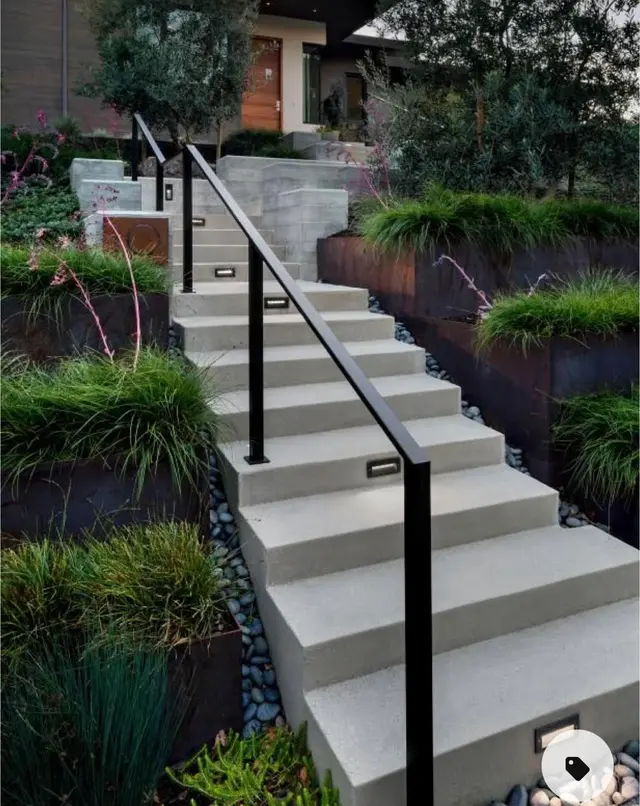
Need outdoor steps built, a set of deck stairs replaced, or a railing added to stairs that don't have one? We build and repair outdoor stairs across Salt Lake County and Utah County — front steps and porch steps, deck-to-yard stairs, stone and brick steps, and hillside runs on steep lots.
At Bustos and Sons Construction, we've been doing this since 2011. Utah is hard on outdoor stairs: freeze-thaw cracks concrete, snowmelt undermines footings, and UV chews up untreated wood. We build for that, and every job starts with a free on-site look.
Here's What We'll Cover
In this guide, you'll discover:
- Types of outdoor steps — stone, brick, concrete, timber and composite
- Deck stairs for connecting outdoor living spaces
- Outdoor stair railing options that meet code and look great
- Outdoor stair repair — when to fix rather than rebuild
- Materials that perform best in Utah's variable weather conditions
- Design considerations for slopes, drainage, and local building codes
- Cost factors and timeline for your stair project
- Service areas including Salt Lake County, Utah County, Wasatch County, Park City, and Heber
Custom Outdoor Stair Solutions for Utah Properties
Natural Stone Stairs
Natural stone stairs offer timeless elegance and exceptional durability for Utah's climate. We source high-quality materials including:
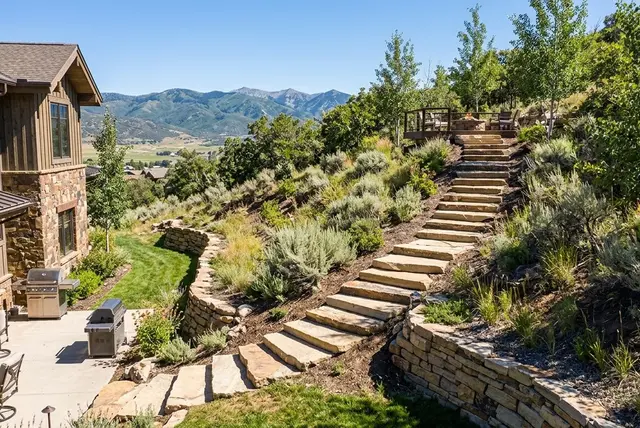
- Utah sandstone - locally quarried, naturally slip-resistant
- Flagstone - ideal for irregular terrain and organic designs
- Granite steps - premium option for formal entrances
- Limestone treads - classic appearance with excellent weather resistance
- Our stone steps are built over proper drainage to handle spring snowmelt, which keeps ice from forming on the treads and keeps the base from washing out. We build stone steps throughout Salt Lake County and in Wasatch County communities like Park City and Heber where hillside properties are common.
Brick, Concrete and Masonry Steps
For homeowners seeking versatility and value, masonry steps provide:
- Brick steps — A traditional match for older Utah homes and brick facades. We rebuild sagging brick steps and lay new ones over a proper concrete base so they don't shift with frost
- Stamped concrete with decorative patterns and textures
- Exposed aggregate finishes for enhanced traction
- Integrated planters and retaining wall combinations
- Custom color matching to complement your home's exterior
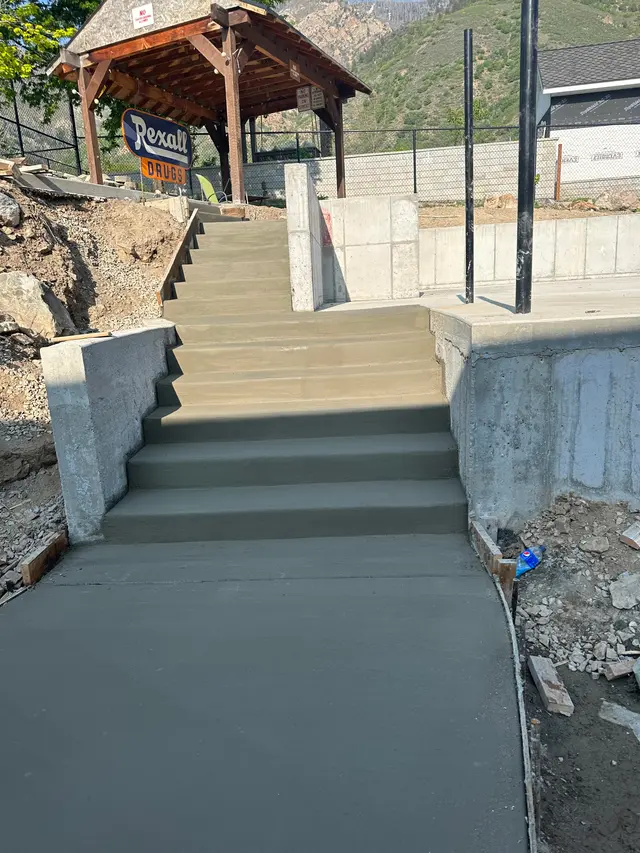
- We use concrete mixes rated for Utah's freeze-thaw cycles, so the steps stay crack-free through Midvale's temperature swings.
Timber and Composite Stairs
Wood and composite materials offer warmth and flexibility for various design styles:
- Pressure-treated lumber stairs for budget-conscious projects
- Cedar construction for natural beauty and insect resistance
- Composite decking materials for low-maintenance solutions
- Integrated lighting and handrail systems
Deck Stairs
Connecting your deck to your yard is one of the most common outdoor stair projects we complete across Salt Lake County. Whether you have a raised deck, a multi-level patio setup, or need new stairs for an aging deck structure, our deck stair construction is built to handle Utah weather and heavy foot traffic.
- Deck-to-yard transitions — Custom-built stairs from your deck to ground level, using pressure-treated lumber, cedar, or composite materials
- Multi-level deck connections — Stairs linking upper decks to lower patios, fire pit areas, walkways, or garden paths
- Wraparound and landing designs — For wider decks or properties that need a gradual descent over a longer span
- Stringer replacement and repair — Fixing rotted, cracked, or sagging deck stair components without replacing the entire system
- Deck stairs take a beating from Utah's freeze-thaw cycles, summer UV exposure, and heavy snow loads. We build with materials rated for these conditions and ensure every deck stair project meets Salt Lake County building code. If you need deck stairs in Midvale, Sandy, Draper, Cottonwood Heights, or anywhere in Salt Lake County, contact us for a free site assessment.
Outdoor Stair Railing Options
A railing isn't just a safety requirement — it's a design opportunity. Salt Lake County building code requires handrails on outdoor stairs with four or more risers, and railings must be 34-38 inches high. Beyond code compliance, the right outdoor stair railing enhances your property's curb appeal and complements your landscape design.
- Wrought iron railings — Classic, durable, and available in custom designs. Works well with stone and concrete stairs. Powder-coated finishes resist Utah's weather
- Cable railing systems — Stainless steel cables strung between metal posts create a modern, low-profile look with unobstructed views. Popular for deck stairs and hillside properties in Park City
- Wood railings — Cedar or pressure-treated wood railings offer a natural, warm aesthetic. Best for timber deck stairs and rustic landscape designs
- Aluminum railings — Lightweight, rust-proof, and available in many styles. A practical, low-maintenance choice for any outdoor stair application
- Composite railings — Match your composite deck materials for a unified look. Virtually maintenance-free
- Required for stairs with 4 or more risers
- Height: 34-38 inches measured from the stair nosing
- Balusters spaced no more than 4 inches apart
- Must support a 200-pound concentrated load
- We install outdoor railings for steps as part of new stair construction and also as standalone projects — adding railings to existing stairs that need a safety upgrade or a new look. Loose or rusted railings can usually be re-anchored or replaced without touching the steps themselves.
Outdoor Stair and Step Repair
Not every set of steps needs replacing. Utah weather does predictable damage, and most of it is fixable for a fraction of a rebuild:
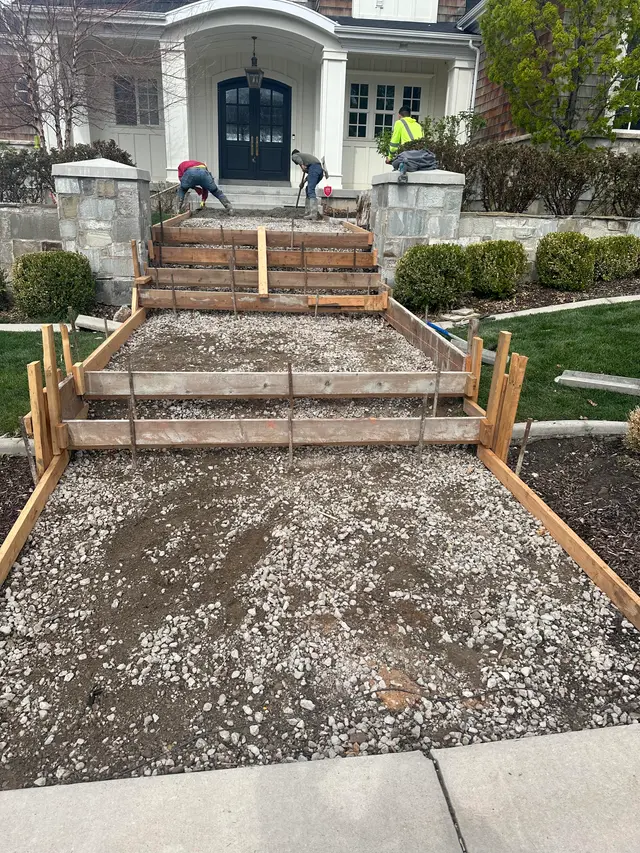
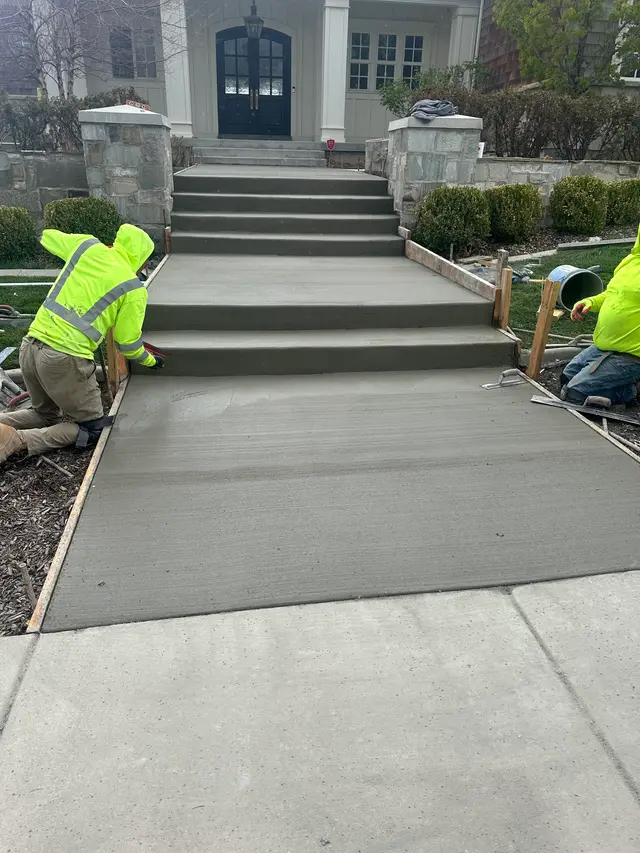
- Cracked or spalling concrete steps — Surface damage from freeze-thaw and de-icing salt can often be patched and resurfaced. We'll tell you honestly when the slab is too far gone
- Settled or tilting steps — When footings shift, steps pitch backward and hold water. We lift, re-base, and re-set them
- Rotted deck stair stringers — Replacing stringers and treads on an otherwise sound deck is a one-day job in most cases
- Loose or missing railings — Re-anchoring a wobbly post, or adding a code-compliant railing to steps that never had one
- Washed-out stone and brick steps — Re-laying displaced treads and correcting the drainage that moved them in the first place
- If your steps are cracking, wobbling, or pooling water, send a photo or have us come look. Repairs are usually cheaper and faster than homeowners expect.
Navigating Utah's Unique Terrain Challenges
Slope Management Solutions
The varied topography across our service area — from the gentle slopes near the Jordan River in Midvale to the steeper hillsides in Cottonwood Heights and the mountain properties in Park City and Heber — requires specialized expertise:
- Wide, comfortable treads with gentle risers
- Integrated landscaping for erosion control
- Natural stone or decorative concrete options
- Standard stair dimensions with proper drainage
- Retaining wall integration when needed
- Material selection for maximum stability
- Engineered solutions with reinforced foundations
- Switch-back designs for safety and comfort
- Professional grading and soil stabilization
Local Building Code Compliance
Salt Lake County building codes require specific standards for outdoor stairs:
- Riser height: Maximum 7.75 inches
- Tread depth: Minimum 10 inches
- Handrails: Required for stairs with 4+ risers
- Permits: Necessary for stairs over 30 inches high
- Our team handles all permitting requirements, ensuring your project meets current building standards and passes final inspection — whether your project is in Midvale, across Salt Lake County, or in Wasatch County.
Materials Built for Utah Weather
Freeze-Thaw Resistance
Utah's temperature swings demand materials that can handle repeated freezing and thawing:
- Dense natural stones (granite, quality sandstone)
- Air-entrained concrete with proper curing
- Closed-cell composite materials
- Properly sealed and treated wood species
- Soft limestone varieties prone to spalling
- Standard concrete without air entrainment
- Untreated softwood species
- Clay brick in exposed locations
Snow and Ice Management
Midvale receives an average of 54 inches of snow annually, and mountain communities like Park City get significantly more. Our stair designs incorporate:
- Textured surfaces for natural slip resistance
- Proper pitch (1/4 inch per foot) for drainage
- Strategic placement considering sun exposure
- Snow load calculations for structural integrity
Investment and Timeline Considerations
Project Cost Factors
Outdoor stair costs vary based on several factors:
- What moves an outdoor stair price: the rise and run, the material (timber at the low end, natural stone at the top), whether the base needs rebuilding, and whether a railing is going on
- Pressure-treated timber sits at the bottom of that range and natural stone at the top. Rise, run and how much retaining the slope needs move a job more than the material does.
- Accessibility for equipment and materials
- Existing landscape modifications needed
- Soil conditions and drainage requirements
- Integration with existing structures
The construction season typically runs April through October, with spring being our busiest period. Planning your project for late summer or early fall often provides:
- Better availability for scheduling
- Optimal weather conditions
- Time to enjoy your new stairs before winter
Typical Project Timeline
- Design consultation: 1-2 weeks
- Permitting process: 2-4 weeks
- Material ordering: 1-3 weeks
- Installation: 3-10 days (depending on complexity)
- Final inspection: 1 week
Why Local Expertise Matters
Understanding Local Conditions
After years serving homeowners across Salt Lake County and Wasatch County, we understand the unique challenges of building in this area:
- Clay-heavy soils in lower elevations requiring special foundation techniques
- Rocky conditions near the foothills demanding specialized equipment
- Seasonal groundwater fluctuations affecting drainage design
- Late spring frost affecting material selection and timing
- Summer thunderstorms requiring robust drainage solutions
- Winter snow loads and freeze-thaw cycles
- HOA requirements in newer subdivisions
- Historic district guidelines in older Midvale areas
- Utility line locations and easement restrictions
Established Local Relationships
Our long-standing presence in the area means:
- Trusted supplier relationships for quality materials at competitive prices
- Established permitting process with Salt Lake County officials
- Network of specialist subcontractors when projects require additional expertise
- References from neighbors throughout Midvale, Salt Lake County, and Wasatch County
Our Proven Installation Process
1. Free Site Assessment
Every project begins with a thorough evaluation:
- Topographical survey and measurements
- Soil analysis and drainage assessment
- Existing landscape and structure evaluation
- Building code requirement review
2. Custom Design Development
Working from what you want and what the slope allows:
- 3D design renderings for visualization
- Material samples and cost comparisons
- Timeline development and permit applications
- Final design approval and contract signing
3. Expert Installation
Our experienced crew ensures quality results:
- Proper site preparation and excavation
- Foundation work engineered for local conditions
- Precise installation following approved plans
- Daily cleanup and site protection
4. Final Inspection and Warranty
Completing your project properly:
- Salt Lake County final inspection coordination
- Detailed walkthrough and maintenance instructions
- Our one-year workmanship warranty on the workmanship; manufacturers' warranties on the materials
- Follow-up service for any concerns
- For indoor stair projects — custom wood stairs, stair repair, floating stairs, and more — visit our stair contractor services.
Get a Free On-Site Estimate
Whether you need new outdoor steps built, deck stairs replaced, a railing added to existing steps, or cracked concrete repaired, we'll come look and give you a written price.
- Phone: (801) 608-6241
Frequently Asked Questions
A: Permits are required for stairs over 30 inches in height. We handle all permitting requirements as part of our service.
A: Late spring through early fall provides optimal conditions. We recommend planning projects for late summer when weather is most predictable.
A: We use materials and construction techniques specifically designed for freeze-thaw conditions, including proper concrete mixes and drainage systems.
A: Yes, we specialize in integrating new stairs with existing landscape features and can often preserve mature plants and established garden areas.
A: Maintenance varies by material, but generally includes annual cleaning, sealing as needed, and occasional joint inspection. We provide detailed care instructions for all installations.
A: Yes. We've built stairs for tight side yards, steep hillsides, and awkward property transitions. Every project starts with a site assessment where we design a solution specific to your space.
A: Yes. We serve all of Salt Lake County and Wasatch County, including Midvale, Sandy, Draper, Cottonwood Heights, Park City, Heber, and surrounding communities.
A: Wrought iron with powder-coated finishes and cable railing systems perform best in Utah's climate. Both handle freeze-thaw cycles well and require minimal maintenance. We also install wood, aluminum, and composite railings depending on your design preferences.
A: Usually, yes. Cracked or spalling concrete can often be patched and resurfaced, settled steps can be lifted and re-set, and rotted deck stringers can be replaced without rebuilding the whole staircase. We'll tell you honestly when a rebuild is the better value.
A: Yes, that's a standalone job we do often. Salt Lake County requires a handrail on outdoor stairs with four or more risers, and adding one to existing steps is straightforward in most cases.